Health
A Sweet Life Without Sugar — How 700 Days Without Industrial Sugar Changed Everything
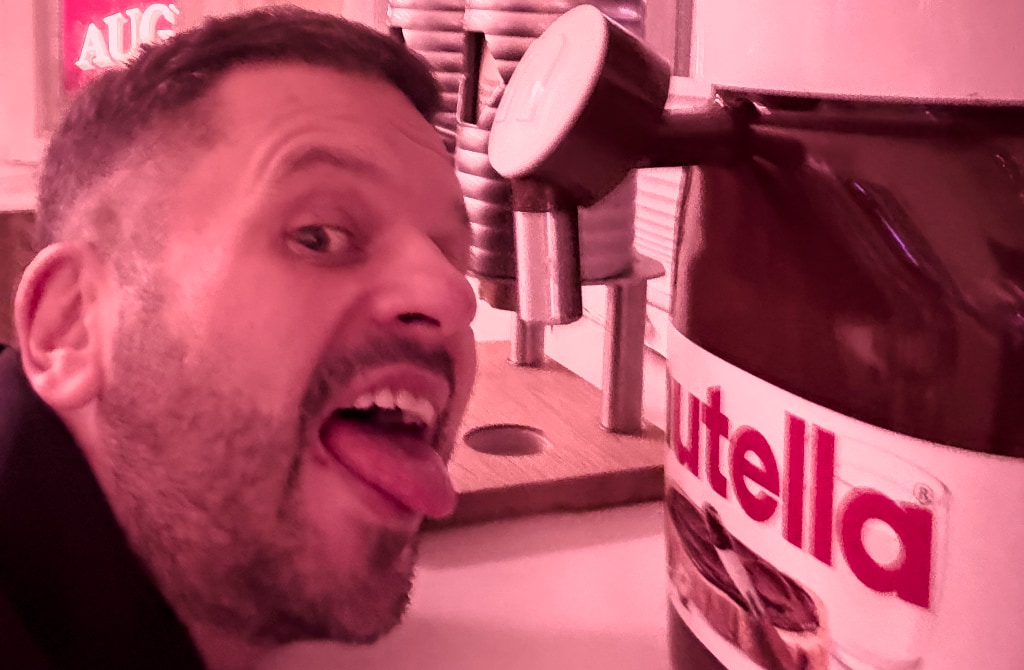
The day the line finally snapped: from shock to breakthrough
There are moments in life you remember in slow motion. Moments when one piece of information calls your entire way of living into question. For me, that moment wasn’t some personal epiphany in a yoga class or a New Year’s resolution — it was a plain sheet of paper: my partner’s blood test results. As the doctor explained the numbers and the words “cholesterol too high,” along with the urgent recommendation to drastically cut our sugar intake, hung in the room, reality sank in slowly.
At the same time, I was standing there with my own fighting weight of just under 95 kilos. I hadn’t felt comfortable in my own skin for a long time — sluggish, dissatisfied. My plan, really, had been modest: “just eat a little less candy.” But in that consultation room it became clear that half-measures wouldn’t cut it anymore. Right there, we made a decision that would change our lives for the next two years — and probably for good: we’d cut it out completely. Not tomorrow, not starting Monday. Now.
The scene that played out in our kitchen shortly after looked like something out of a movie — a full purge. We came home from the doctor, grabbed a big black trash bag, and opened the cupboards. No mercy. Everything containing industrial sugar got thrown out. It was liberating and unsettling in equal measure, seeing how much space sugar had taken up in our lives. Nutella, colorful breakfast cereals, processed ready meals, white table sugar, even the supposedly “healthier” brown sugar — all of it went straight into the bin, without exception.
Looking back now, I only really see how deep in the sugar swamp I was. My days were one long string of glucose spikes. I drank sweetened sodas and juices like water. Chocolate and gummy bears weren’t a treat, they were a staple. My coffee? Two spoons of sugar, always. Yogurt, pudding? As long as it was sweet. My work life made it worse: I’m on the road a lot, and bakeries were my worst enemy. Cake and chocolate croissants went into me thoughtlessly, almost in passing. It wasn’t pleasure anymore, it was an automatic, almost numbing habit. That trash bag, that day, was more than taking out the garbage — it was a symbolic goodbye to a version of myself I didn’t want to be anymore.
Cold turkey: when the drug leaves the body
The first two weeks after our radical clear-out in the kitchen were, to put it mildly, a real fight for survival. You read about cutting out sugar and think: “Well, I’ll just eat an apple instead of a candy bar.” The reality is far more brutal. It was cold turkey in the truest sense. Up to that point I’d never really looked deeply into the biochemistry of what sugar does. Looking back, that was probably a blessing — if I’d known what physical and mental agony was coming, I might have hesitated. Instead, I was thrown straight into the deep end.
Within the first 48 hours, my body started rebelling. The “sugar drug” demanded its toll. I was shaken by how intense the symptoms were: throbbing headaches that ran through the whole day, sudden sweats out of nowhere. My circulation clearly had no idea how to function without its constant glucose top-ups. But worse than the physical symptoms were the psychological ones. I went through unbelievable mood swings — everything from deep low spirits to aggressive irritability. The people around me needed strong nerves during that time, because my fuse was pretty much gone.
In the first week, the cravings hit their absolute peak. It wasn’t just appetite — it was a burning, almost desperate need for something sweet. In those moments it became clear to me how deep the addiction was burned into my system. This is exactly where our radical trash-bag purge turned out to be a lifesaver. What isn’t in the house can’t be eaten. If a pack of cookies had been sitting in the cupboard during one of those weak moments, I’d have devoured it without a second thought. The empty cupboards forced me to hold the line.
To get through those dark days, I started digging into the subject in parallel, intensively. I read articles, watched documentaries, and learned what I’d been doing to my body for all those years. That theoretical work acted like a psychological shield. When the cravings knocked, I recalled the facts: how sugar strains the liver, fuels inflammation in the body, drives insulin resistance. That knowledge helped me see the pain not as an enemy but as a necessary cleanse. My body slowly relearned how to use fat instead of sugar as its primary fuel — a process that hurts, but that was the foundation for everything that came after.
Detective work at the supermarket: a whole new way of shopping
Once the first wave of withdrawal had passed, a new phase began — what I now call my retraining as a food detective. Grocery shopping was suddenly no longer the quick after-work routine where you grab things without thinking. In those first weeks, the time I spent in the supermarket doubled, because I’d developed a new obsession: reading ingredient lists. Every jar, every pack, every can got turned over and studied carefully.
It hit me like a blow: sugar is literally everywhere. It was shocking to discover that industrial sugar isn’t just in sweets — it’s hiding as a cheap filler in almost every processed product, from savory spreads to pickled gherkins to seemingly healthy whole-grain bread. That discovery was a turning point. I realized I could only take back control of my diet if I largely banned the food industry from my kitchen.
I’ve always liked to cook, but my standards reached a whole new level. My shopping cart transformed completely: away from the colorful boxes and sealed trays, toward fresh, unprocessed staples. Vegetables in every color, herbs, and unrefined foods became the foundation. That shift had a fascinating side effect on my body: without the constant insulin spikes from hidden sugar, the notorious blood sugar swings disappeared. The agonizing hunger that used to hit me again shortly after a meal was suddenly gone. For the first time, I learned what it means to genuinely, mindfully enjoy a meal and to listen to my body’s natural sense of fullness.
In the process, my attitude toward meat changed too. I started cutting back on meat more and more and experimenting instead with the variety of vegetables and legumes out there. Since I was also focused on keeping my protein intake up, lentils, chickpeas, beans, and protein-rich grains like quinoa or spelt became my new best friends.
That high protein and fiber content is my secret recipe today: it doesn’t just keep me full for longer and keep the dreaded cravings at bay, it also makes sure my body burns fat during weight loss instead of eating into valuable muscle. Today my shopping cart is a mirror of my new freedom: simple, honest, free of chemical additives. I don’t buy products anymore. I buy ingredients.
Mental clarity: when the mind settles
When people talk about weight loss and blood values, they often forget the most important room in our lives: our own head. Today, almost two years in, I can say with certainty: the effects on my mental state are almost more dramatic than the purely physical transformation. Cutting out industrial sugar was like hitting a reset button for my entire psychological stability.
I used to live under a kind of constant, low-grade tension. Cravings are far more than just a physical urge to eat — they’re stress. Every time blood sugar drops, the body releases stress hormones to mobilize energy reserves. You get restless, scattered, often irritable. Since my energy level is steady now, that constant source of stress has dried up. I feel incredibly even. It’s an entirely new feeling, being able to use a full day without desperately fighting the afternoon slump halfway through it. The time I used to spend dragging my energy level back up to something functional, I now spend being productive, or resting.
A decisive factor in this new mental stability is sleep. Sugar sabotages a good night’s rest. My sleep used to be fragmented; I often woke at night, driven by an inner restlessness that not infrequently sent me straight to the fridge. Those nighttime raids were a vicious cycle of guilt and biological misfiring. That’s history now. I generally sleep through the night, and — more importantly — the quality of my sleep has improved massively. I wake up noticeably more rested in the mornings, because my body isn’t spending the night processing mountains of sugar and insulin swings anymore — it can actually regenerate.
All of this adds up to a deep sense of self-efficacy. Knowing exactly what I eat and what that food does inside my body has given me a hold on my own health that I’d never felt before. Seeing the effects of that decision not just on the scale, but feeling it in every cell of my body as clarity and calm, is an incredible gift. It’s the certainty that I’m no longer a passenger to my cravings — I’m the one piloting my own wellbeing.
In closing: from “deprivation” to freedom gained.
Looking back on this journey now, almost two years later, I can say one thing with absolute certainty: the change was anything but a walk in the park. The road was paved with withdrawal symptoms, social pressure, and the grinding work of shedding decades-old habits. But what I got back in return is priceless. It’s worth so much more than the brief, fleeting high of a candy bar.
People often ask me if I’m not afraid of relapsing. My answer is a clear no. The change I went through runs so deep that my whole system is calibrated differently now. When a fleeting craving does show up — which is only human — my awareness kicks in immediately: no, that is absolutely not worth it. I weigh that brief moment of taste against the lasting feeling of vitality, mental clarity, and the joy of my 20-kilogram weight loss. The decision doesn’t feel hard for me anymore; it’s become part of who I am.
That said, it matters to me not to become some militant ex-sugar-junkie who ruins other people’s enjoyment of food. Everyone walks their own path. But I like sharing my experience with people I know, because I understand that this state of freedom is hard to imagine when you’re still in the middle of a sugar addiction. That’s also the reason for this piece: I want to share what happened to me as proof that it’s possible. I want to show that at the end of the road, there’s no life of grim deprivation waiting — there’s a new, better, healthier life.
It doesn’t feel like deprivation to me anymore. When I’m standing in front of a buffet and see the tiramisu, I don’t have to grit my teeth and force myself past it with iron discipline. I simply don’t want it anymore. It’s too sweet for me, it’s cloying, and I know what it does inside my body. Why would I eat something I know is bad for me? Real pleasure, for me now, is in food that nourishes me instead of numbing me. How can you enjoy something that undermines your own health?
We only get this one body. Understanding it, taking care of it, giving it what it actually needs — that’s one of the most important jobs we have. My journey doesn’t end here. It’s really only just begun.
Want to go deeper into what my life looks like today? On my blog you’ll regularly find new details from my sugar-free everyday life — creative recipes, delicious finds I’ve discovered along the way, and practical tips for making the jump yourselves. Start today — your body will thank you.